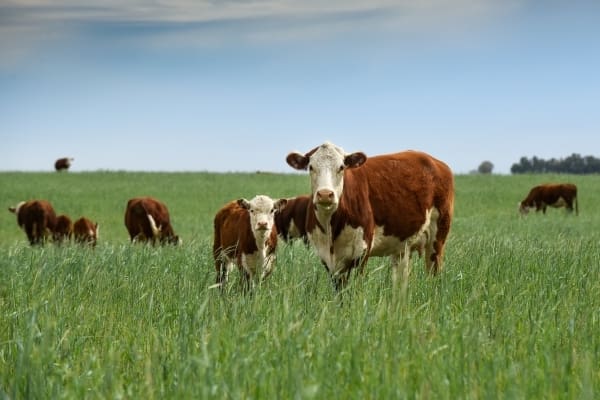
“Cool season pastures are becoming overmature and need to be reset,” says Patrick Davis, MU Extension Livestock Field Specialist. Keeping pastures in their optimum quality range supports cattle performance and contributes to a successful operation. Davis will discuss cattle and forage management strategies for a productive summer grazing season.
“Clip pastures to return them to the optimum growing height for cattle performance,” says Davis. As cool season pastures become reproductive, forage quality declines, which can reduce animal performance. At this stage, more energy goes into seed production and less into forage growth. Clipping pastures back to the optimum 4 to 8 inch range encourages fresh, vegetative growth and helps support cattle performance through the summer.
“Reduce toxin related health problems by clipping seed heads from cool-season grasses,” says Davis. Fescue seed heads are high in ergovaline and may also contain ergot, which produces ergot alkaloids. Orchardgrass seed heads may contain ergot as well. When cattle consume ergovaline and other ergot alkaloids, blood vessels constrict, reducing heat dissipation and increasing the risk of summer heat stress and lower performance. Seed heads can also irritate the eyes, which may contribute to pinkeye and further reduce cattle performance.

“Avoid grazing pastures too short and allow enough rest for regrowth during the grazing season,” says Davis. Cool season grasses should not be grazed below 4 inches because this limits root growth, reduces regrowth, and weakens stand persistence. In fescue, close grazing also increases ergovaline intake since it is more concentrated in the lower 2 inches of the plant. Adequate rest allows forage to return to its optimum height before the next grazing period and helps plants rebuild energy reserves, supporting forage intake and persistence. Cool season grasses generally need a 30 to 45 day rest period, though this should be extended during drought. Cattle should also not be turned back onto cool season pastures until regrowth reaches 8 to 10 inches.
“Watch cattle body condition and manure to make sure nutritional needs are being met,” says Davis. Body condition score (BCS), a measure of an animal’s energy status, uses a 1 to 9 scale, with 1 being emaciated and 9 being obese. For spring calving cows during the breeding season, the ideal BCS for optimum conception rates is a 5 to 6, meaning the last two ribs are visible while the animal’s condition is smooth over the rest of the body. Manure score (MS), which helps indicate whether or not protein needs are being met and the ration is being digested properly, is rated on a 1 to 5 scale. An MS of 1 may reflect a highly digestible ration or illness, while an MS of 5 suggests a poorly digestible ration that may require more protein and or more digestible ration. Ideally, cattle should have an MS of 3, producing a normal manure pat that is fairly firm and holds its shape. As pastures mature, monitor cattle closely and adjust rotation or provide supplementation as needed to maintain proper BCS and MS for optimum performance.
“Optimum pasture management this time of year is important for a successful summer grazing season and sets up the forage for good performance in the fall,” says Davis. Furthermore, proper management of spring calving cows now is important for rebreeding, herd retainment and pounds of calf weaned in the fall. Therefore, apply these strategies to help make proper management decisions in summer grazing of cool season grasses and cattle to make the cattle operation successful. For more information, please contact your local MU Extension Livestock Field Specialist.