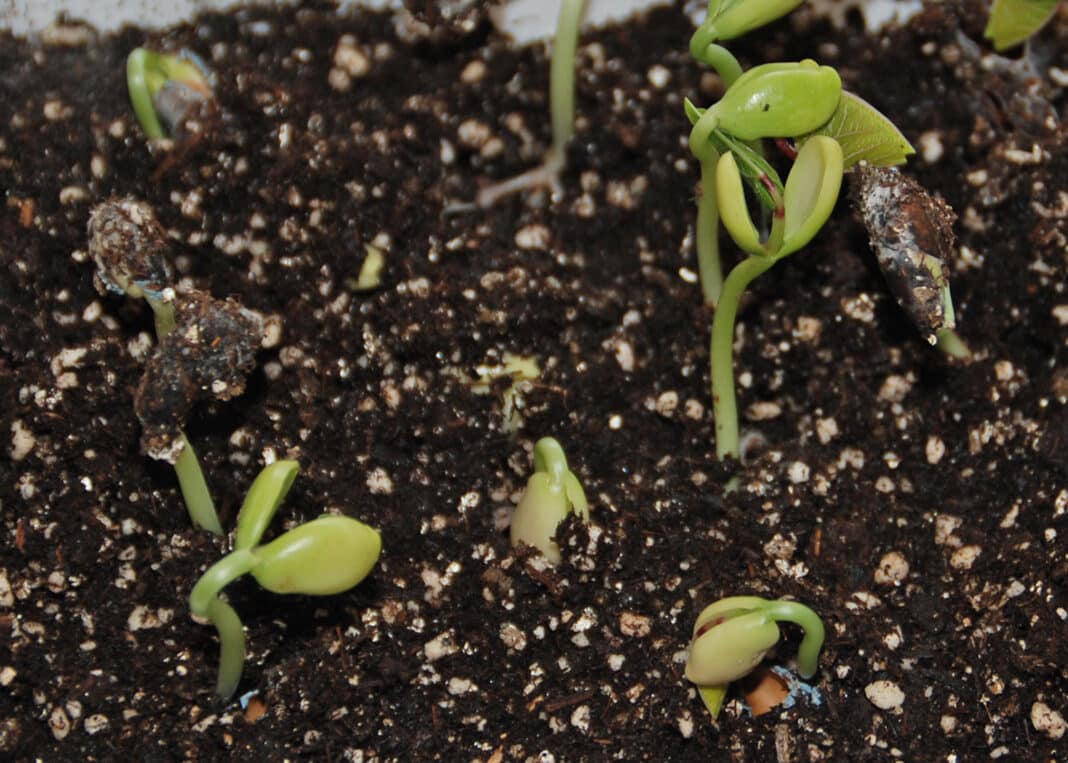
The beginning of a new year finds many gardeners preparing for the growing season ahead. Clearing space to start seeds indoors, inventorying seeds and supplies, and ordering seeds, plants, and more are usually part of the process.
While organizing, you may uncover seeds from past seasons. Do not discard these just yet. When seeds are stored properly, many can last from one to five years or more.
Seeds stored in a cool location like the refrigerator in an airtight container maintain their viability best. But even those stored in less-than-ideal conditions may surprise you. Older seeds may still sprout once they pass their average life expectancy, but you are likely to see a reduction in the success rate.

The type of seed also influences how long seeds can be stored and remain viable. Start by checking the expiration date on the seed packet. Onions, parsley, and parsnip seeds usually last one year. Corn, okra, and peppers two years; beans and peas for three years; tomatoes, turnips, beets, chard, and watermelon four years; and Brussels sprouts, cabbage, muskmelons, radishes, and spinach last for five years.
The same principles apply to saved flower seeds. Marigold and zinnia seeds can maintain good viability for two to five years; ageratum, nasturtium, sunflowers, and yarrow for three to five years; monarda four years, and calendula for four to six years.
But the longer you grow plants, the more likely you are to push the limits. This often results in unexpected success or valuable insight for future gardening endeavors.
When in doubt use this quick-and-easy test to see if your seeds will sprout. Place ten seeds on a damp paper towel. Roll up the towel with seeds inside, place in a plastic bag and store in a warm location.
After a week or so, unwrap the paper towel and check the seeds for sprouting. If nothing has happened, rewrap the seeds and wait a few more days.
If all the seeds have sprouted, you have 100% germination and can plant the seeds as recommended on the package. If only half the seeds sprout, for example, you will need to plant the seeds twice as close together to compensate for the lower germination rate.
The sprouted seeds can be planted indoors or out depending on the time of year, available space, and your climate.
If none of the seeds sprout, consider breaking out the glue and getting the family involved in turning these leftover seeds into works of art. Select a variety of sizes, shapes, and colors to create your masterpiece on wood or heavyweight card stock. Large seeds like beans, peas and corn are easy for crafters of all ages to handle. Use tweezers for finer seeds that add detail and texture to your creation.
Testing seeds now can help you save money when placing your seed order. You can focus your planting budget on new seeds and supplement with your existing inventory.